CONTACT INFORMATION
Social Services Development Department
- SSDD
- Civic Center E, Mayaman Street, Barangay Central, Quezon City Hall Compound
- 8988 4242 local 8863
- SSDD@quezoncity.gov.ph
Office Hours
Monday to Friday
8:00 a.m. to 5:00 p.m.
ABOUT US
Description
The SSDD is the welfare arm of the Quezon City Government that implements various programs and services that respond to the issues and concerns of different disadvantaged sectors at the individual, group, and community level.
Vision
The Social Services Development Department is the prime institution of the city in implementing comprehensive and appropriate programs and social services in adherence to the vision of the QC Government in sustaining a quality community for its citizenry.
Mission
Provision and development of comprehensive, responsive, and transformative interventions in an effective and efficient timely manner anchored on legal mandates.
Legal Bases
- Section 17 Of Republic Act No. 7160 Otherwise Known As An Act Providing For A Local Government Code Of 1991
- City Ordinance No. 168 S.1990 or “Enacted September 26, 1990; Approved November 2, 1990, He Establishment Of The Quezon City Social Services Development Department (SSDD)”
Service Pledge
- Uphold quality service through efficient and effective people-centered governance by providing various opportunities needed to empower the disadvantaged sector towards becoming productive members of the community.
- Provide timely, responsive, and relevant social welfare services to the disadvantaged sector in the community.
SERVICES
COMMUNITY OUTREACH SERVICES
- Protective Service
- Referral (Facilitation of Issuance of Certificate Declaring a Child as Legally Available for Adoption)
- Reach Out Operation
- Educational Assistance for Children/Youth in Need of Special Protection and Child at Risk
- Intervention/Diversion Program (In Accordance with R.A. NO. 9344/Juvenile Justice Welfare Act)
- Provision of Certificate of Indigency (COI)
- Provision of Philhealth Coverage for Indigent Families
- Day Care Service
- Pre-Marriage Counseling Service
RESIDENTIAL AND REHABILITATION SERVICES
- Protective Service
- Diversion program (In accordance with R.A. NO. 9344/Juvenile Justice Welfare Act)
- Assistance for court hearings:
- Referral
- SPED/ ALS/ Tutorials
- Skills Training
- Capability Building session
- Parent Effectiveness Session
SPECIAL PROJECT SERVICES
- Protective Service
- Referral
- Educational Assistance for Children with Disabilities and Indigent Solo Parent Child
- Community-Based Rehabilitation
- Capability Building Sessions
- Senior Citizen Volunteer Program
- Solo Parent Service: Issuance of Solo Parent ID
VOCATIONAL DEVELOPMENT SERVICES
- Manpower Barangay-Based Skills Training
- Soft Trade Skills Training
- Productivity Skills and Capability Building Training
- Small Income Generating Assistance (Capital Assistance)
- Referral
WELFARE & RELIEF SERVICES
- Food for Work
- Referral
- Volunteer & Auxiliary Program
- Financial Assistance
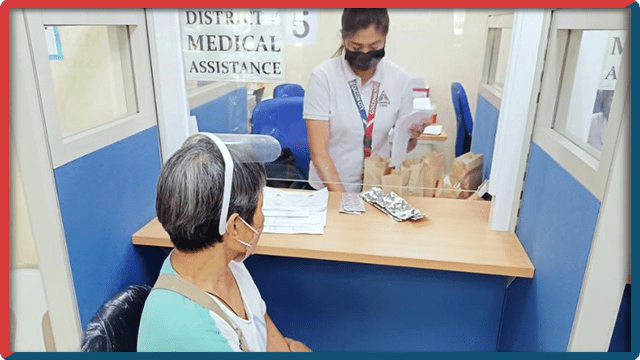
- Medical Assistance
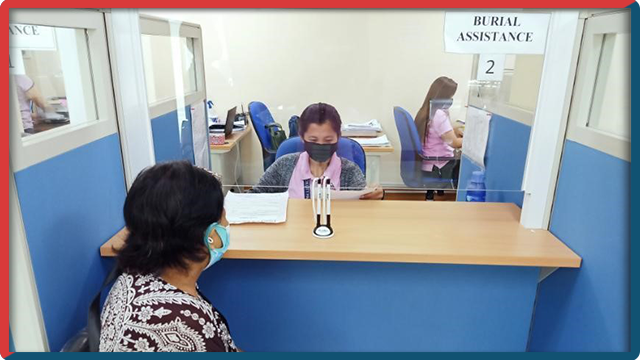
- Burial Assistance
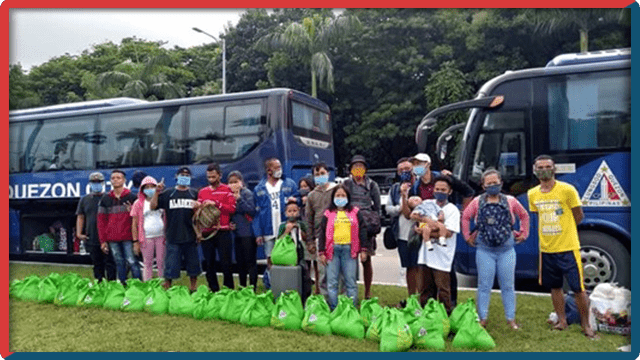
- Transportation Assistance (Balik-Probinsiya)
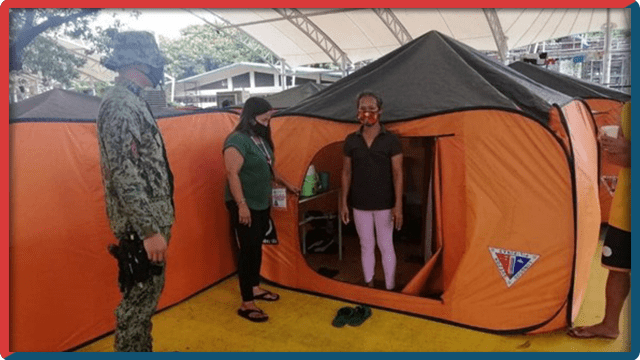
- Emergency Disaster Relief Program (Food Assistance/Temporary Shelter for Walk-in Clients and Victims of Calamity
PROGRAMS
CHILD WELFARE PROGRAM
PROTECTIVE SERVICES AND PROTECTIVE CUSTODY
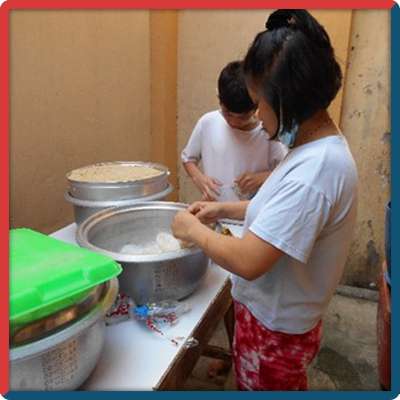
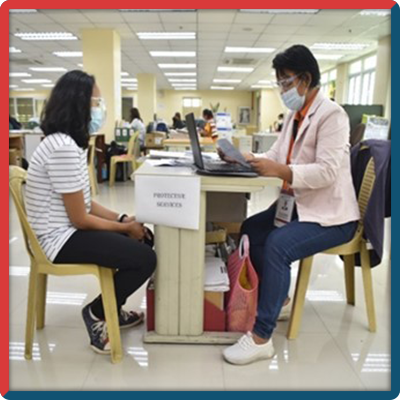
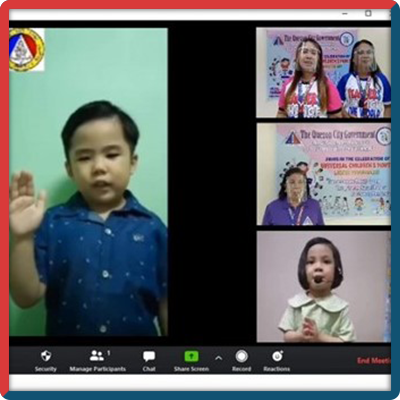
BAHAY KALINGA
FAMILY WELFARE PROGRAM
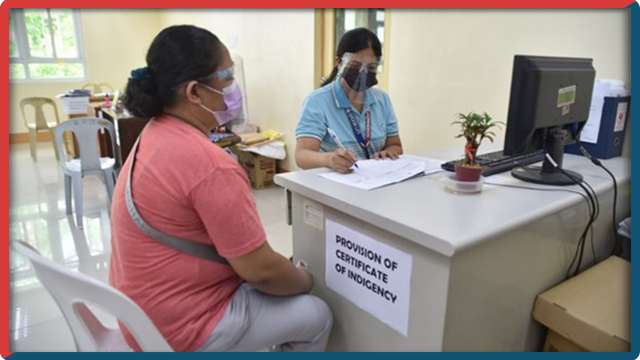
ISSUANCE OF CERTIFICATE OF INDIGENCY
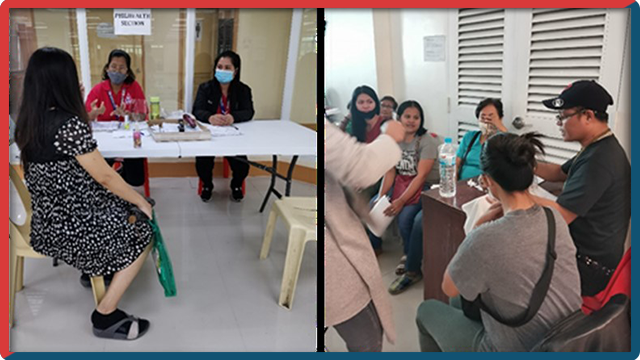
PHILHEALTH FOR INDIGENT FAMILIES
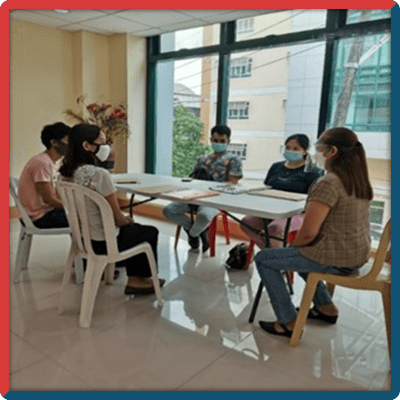
PRE-MARRIAGE COUNSELING
LIVELIHOOD BARANGAY BASED SKILLS TRAINING PROGRAM
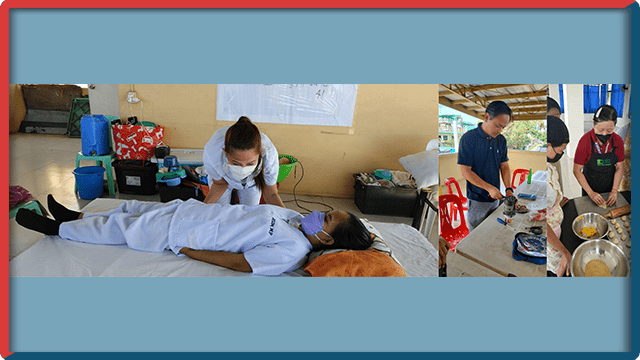
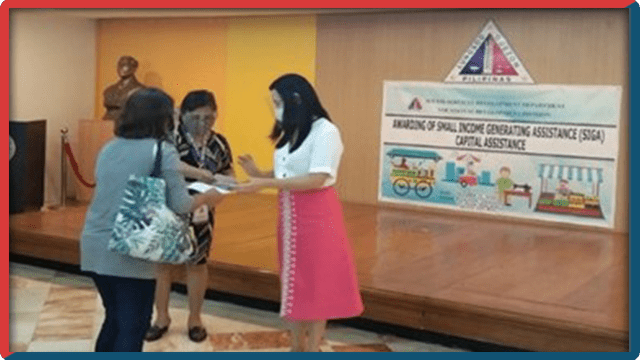
SMALL INCOME GENERATING ASSISTANCE PROGRAM (SIGA)
TRANSPORTATION ASSISTANCE
EMERGENCY DISASTER RELIEF PROGRAM
MEDICAL ASSISTANCE
BURIAL ASSISTANCE
YOUTH WELFARE PROGRAM
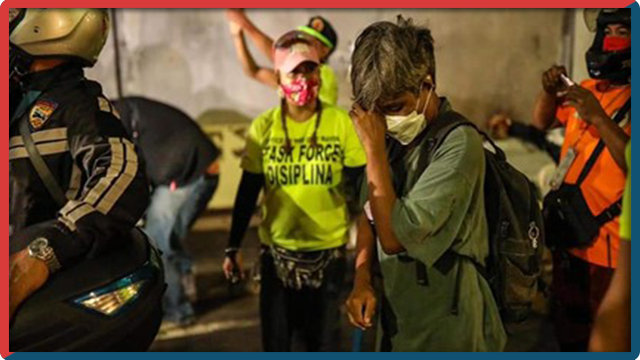
REACH-OUT OPERATION
MOLAVE YOUTH HOME
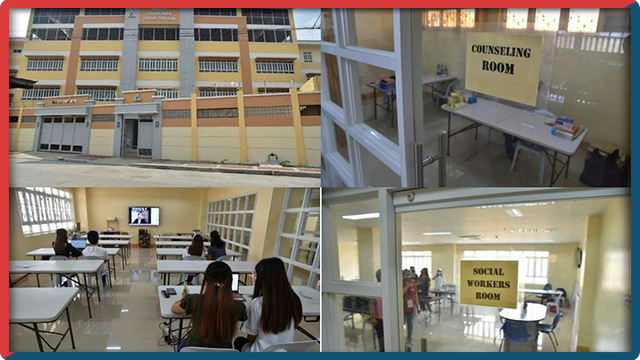
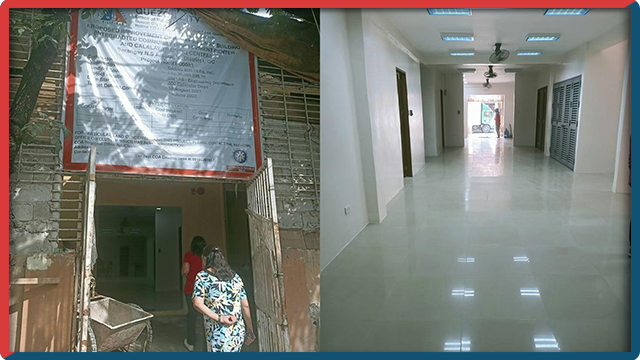
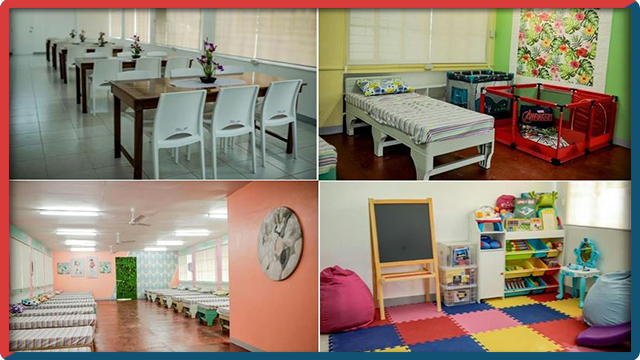
The City Government also completed the new MYH Building to increase the center’s bed capacity. The new and bigger facility is now located in Brgy. Payatas, with one all-girls dormitory and sixteen all-boys dormitories.
.
RECEPTION AND ACTION CENTER
ELDERLY WELFARE PROGRAM
BAHAY ARUGA
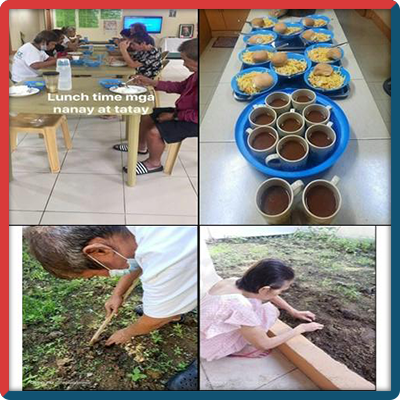
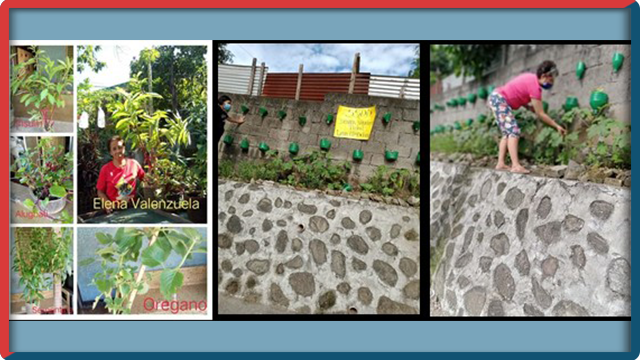
SENIOR CITIZEN VOLUNTEER PROGRAM
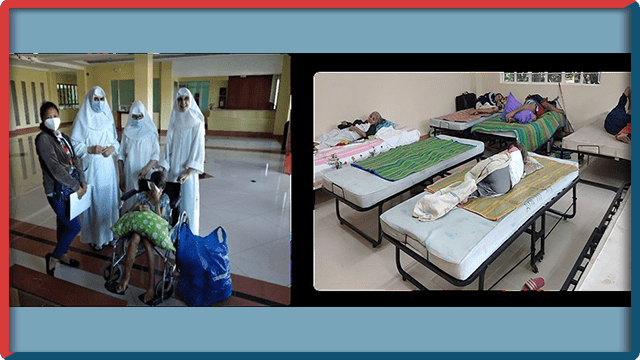
PROTECTIVE SERVICES AND PROTECTIVE CUSTODY
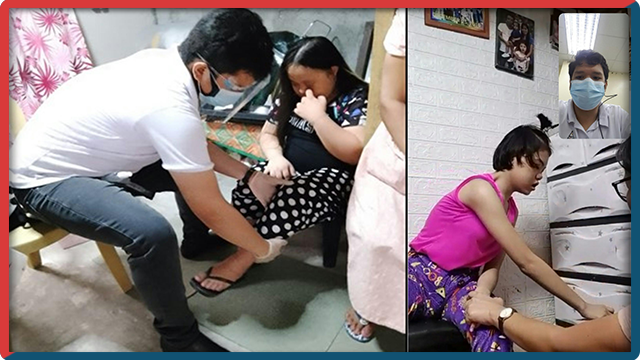
DIFFERENTLY- ABLED WELFARE PROGRAM
COMMUNITY-BASED REHABILITATION
EDUCATIONAL ASSISTANCE PROGRAM
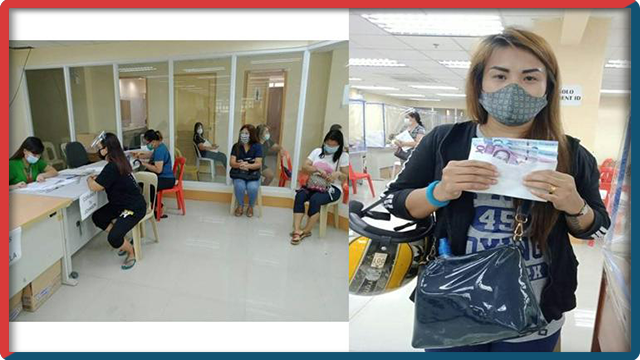
PROTECTIVE SERVICES AND PROTECTIVE CUSTODY
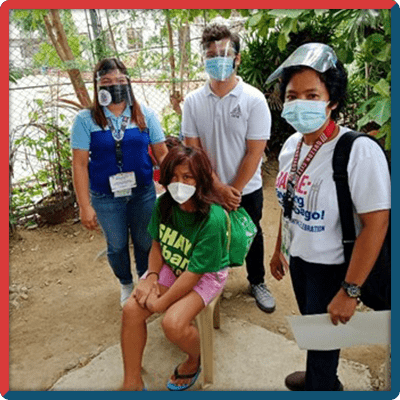
SOLO PARENT WELFARE PROGRAM
SOLO PARENT ID
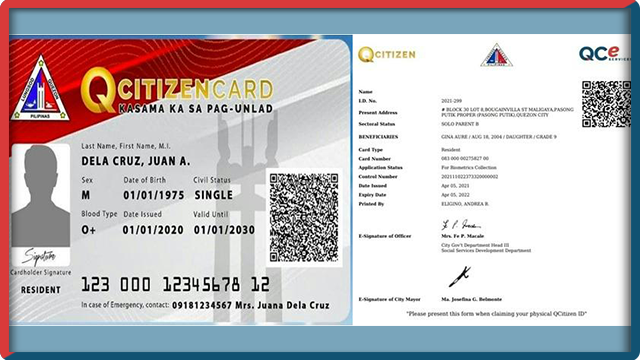
SOLO PARENT CARAVAN
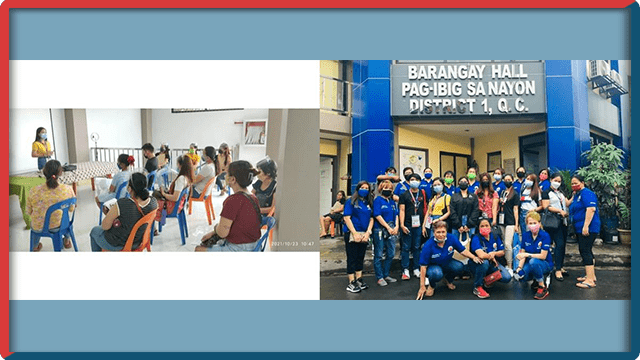
PARENT EFFECTIVENESS SEMINAR
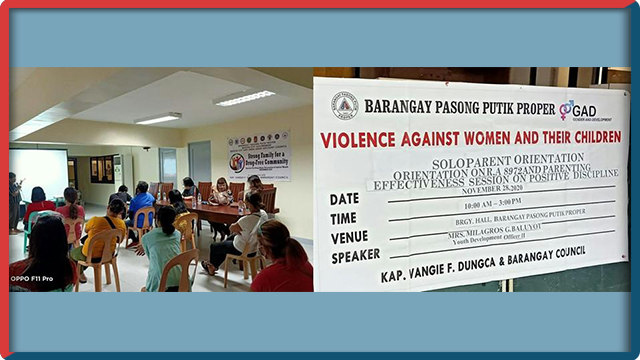
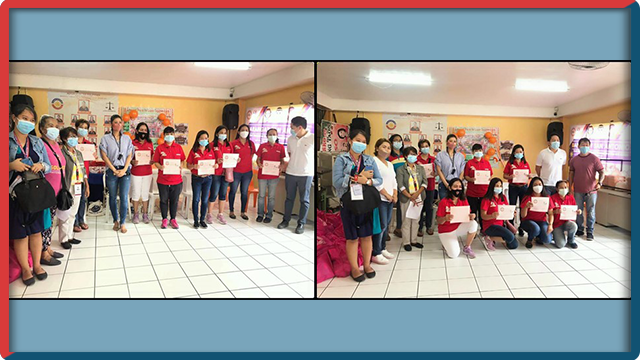
ORGANIZING SOLO PARENT ASSOCIATION
WOMEN WELFARE PROGRAM
PROTECTIVE SERVICES AND PROTECTIVE CUSTODY
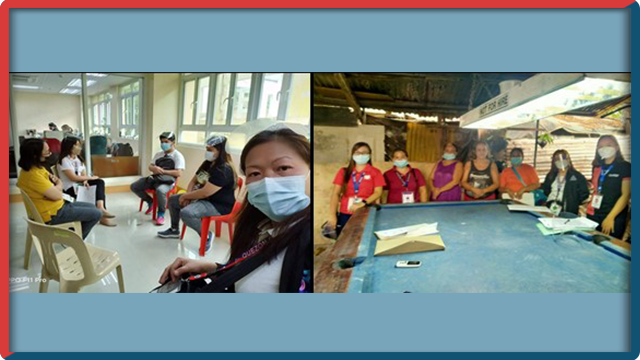
RESCUE OPERATION
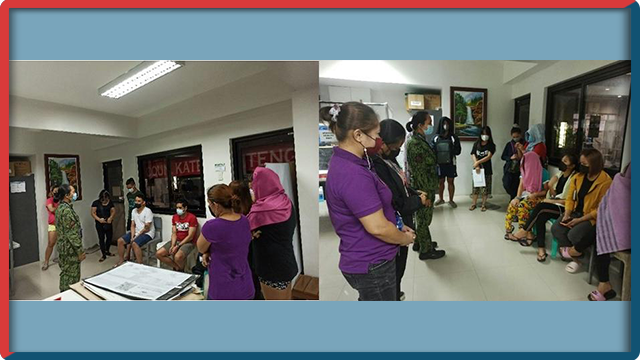
BAHAY KANLUNGAN
CAPABILITY BUILDING
LIVELIHOOD & CAPITAL ASSISTANCE
GUIDES
WELFARE AND RELIEF PROGRAMS
MEDICAL ASSISTANCE FOR INDIGENT PERSONS
This program extends medical assistance such as free medicines, medical supplies, and medical laboratory requests for indigent patients residing in QC. The amount that a patient can avail of depends on the assessment of the social worker, ranging from PHP 5,000 to PHP 10,000.
Requirements:
- Original or Certified True Copy of Medical Certificate (for outpatient) or Clinical Abstract (for confined patient)
- For medicines and medical supplies, latest and original prescription of the patient
- For medical laboratories, latest and original laboratory requests with price quotation
- Original or Certified True Copy of Barangay Certificate of Indigency of the patient
- 1 photocopy of valid government-issued ID (Preferably QC ID) of patient or his/her representative or claimant
Process:
- Submit all necessary requirements to the Social Services Development Department for assessment, evaluation, and interview of social worker.
- If qualified, the social worker will extend the needed medical assistance such as Certificate of Guarantee for medicines and medical supplies, and cash for laboratory request.
- If not qualified, the social worker may prepare and extend a referral letter or Social Case Study Report addressed to other agencies offering medical/ financial assistance program.
Reminders:
- Requirements such as medical certificate, clinical abstract, doctor’s prescription, medical supplies, and laboratory request should bear the name of the patient and with complete name, signature, and license number of the patient’s attending physician. The said documents should have 3 months validity on the date of request for assistance.
- Barangay Certificate of Indigency should be issued not more than 6 months on the date of request for assistance.
FREE FUNERAL SERVICES
This program extends financial assistance to qualified indigent Quezon City residents through a Certificate of Guarantee to defray burial expenses with the help of the City’s accredited funeral parlors, for an amount not more than PHP 25,000.
REQUIREMENTS:
- Certified True Copy of duly registered Death Certificate
- Original Copy of notarized Funeral Parlor (for those who do not have Funeral Parlor, SSDD will designate a Funeral Parlor depending on the cause of death)
- Original Copy of Barangay Certificate of Indigency of the nearest kin or representative of the deceased
- 1 photocopy of any valid government-issued ID of the deceased and the nearest kin or representative of the deceased
Process:
For Deceased with Funeral Parlor
- Submit all the requirements to the Social Services Development Department for assessment, evaluation, and interview of social workers.
- If qualified, SSDD will extend a Certificate of Guarantee as payment to the partner funeral parlor.
- If not qualified or the Funeral Parlor is not accredited by the QC Government, the social worker will extend a Social Case Study Report addressed to different agencies extending burial assistance.
For Deceased without Funeral Parlor
- Contact Social Services Development Department at 8703-6823 and provide the following information to avail the assistance:
- Name of Deceased
- Place of Death
- Address of Deceased
- Contact Person and information
- Submit all the requirements to the Social Services Development Department for assessment, evaluation, and interview of social workers.
- SSDD will extend a Certificate of Guarantee as payment to the partner funeral parlor.
BALIK-PROBINSYA PROGRAM
This program provides financial assistance for individuals or families who want to go back and permanently stay in their respective provinces. The assistance will be in the form of direct purchase of tickets. Cash assistance will also be provided subject to the assessment of the social worker.
Qualifications:
- Individuals or families who lost their homes and jobs
- Indigent Quezon City residents (Individuals or families)
Requirements:
- Original copy of Barangay Certificate of Indigency of the client issued not less than 6 months validity
- 1 photocopy of valid government-issued ID (Preferably QC ID) of each member of the family
Additional Requirements Based on IATF-Protocols:
- 1 photocopy of the vaccination card
- 1 photocopy of RT-PCR swab or antigen test result (72 hours validity as per LGU-Receiving protocol)
Process:
- Submit all requirements to the Social Services Development Department.
- After 1-2 weeks of processing, if qualified, each individual and family will be extended a transportation fare ticket including food packs and cash allowance for the meals and other travel expenses.
Reminder:
- The Cash Assistance to be provided to every individual or families will be based on the assessment of the social worker, taking into consideration the distance of province where they decide to permanently reside in.
REFERRAL PROGRAM FOR ADDITIONAL ASSISTANCE THROUGH VARIOUS GOVERNMENT AGENCIES
This program involves the provision of a referral letter or social case study report to allied government and non-government agencies for clients needing further assistance.
Requirements:
- Original copy of Barangay Certificate of indigency of the client must be issued for not more than 6 months on the date of request for assistance.
- 1 photocopy of valid government-issued ID (Preferably QC ID) of the client and his/her representative or claimant
- Certified True Copy of Clinical Abstract (for the confined patient) or Medical Certificate (for outpatient) for Medical Assistance to other agency
- Original copy of Death Certificate and Funeral Contract for Burial Assistance for other agencies
- Certificate of Abandoned Cadaver for those bodies who were not claimed by their families and relatives.
- Barangay /Police Blotter for abandoned patients
Process:
- Submit all requirements to the Social Services Development Department for assessment, evaluation, and interview of the social worker.
- If qualified, the social worker will extend a referral letter or Social Case Study Report based on the requirements of concerned agencies extending medical, transportation, and burial assistance.
Reminders:
- All requirements will be used as a basis of the social worker’s assessment in extending referral letters and Social Case Study Reports to different agencies offering social service assistance.
- For deceased with no known relatives, a Certificate of Abandoned Cadaver will be issued by the referring agencies such as hospitals and barangays.
Emergency Disaster Relief Program:
This program provides timely and appropriate assistance to individuals or families affected by disaster (natural or man-made). These include as food (hot meals/dry ration), temporary shelter in evacuation centers, and financial assistance.
Process:
- Report the incident of fire or flood to the Social Services Development Department through telephone number 8703-6823 or to your barangay.
- At the designated evacuation area, go to the Social Services Development Department area to undergo master listing with the help of your Barangay Officials.
- For individuals or families affected by the following:
- FIRE – Affected families will be given a temporary shelter (evacuation center) where they will be provided hot meals 3 times a day for 7 days and not more than 1 month, which will depend on the total number of families affected. Affected families will receive food packs, starter kits, hygiene kits, and financial assistance (PI0,000 for house owners, and P5,000.00 for Sharer/Renters families).
- FLOOD – Affected families will be provided with hot meals 3 times a day while inside the evacuation center or campsite.
Relocation:
Affected families of demolition (voluntary demolition) will be provided Food Assistance while they are in the process of relocation.
Reminder:
Temporary Shelter/ Setting-up of Evacuation Centers for affected families will be based on the assessment of the Social Worker.
COMMUNITY OUTREACH DIVISION
REACH-OUT OPERATION FOR STREET DWELLERS
This program reaches out to children, families, and other vulnerable sector like elder persons and persons with disability from the street to be provide appropriate intervention such as counseling,
temporary shelter while assessing the situation of the family, and other services based on the needs of the individuals or families (e.g. educational assistance, skills training and capital assistance).
Requirement:
- Letter from the barangay, police, or concerned citizen who reported the case of street dweller or requesting assistance to have a reach-out operation in a particular place
Process for Referral:
- If the report comes from a concerned citizen, coordinate with SSDD or call-at QC Helpline 122. If the report comes from the barangay or police, send a letter request to SSDD for the conduct of reach-out operation.
- The requesting/ reporting party will receive confirmation from SSDD informing them about the process of reach-out operation and validation. If the requesting party is the Barangay or Police, they will be notified of the schedule (date and time) of the operation.
Process for the Case Management of Reach-out Street Dwellers:
- All reach-out clients will undergo interview and assessment to be conducted by the Social Workers or Youth Workers.
- If the reach-out clients are not homeless and with families in Quezon City, they will be returned to their respective families with the help of the Barangays. They will be given appropriate intervention like counseling or referral for educational or livelihood assistance. Aftercare monitoring will be conducted by SSDD for 6 months to 1 year.
- If the reach-out clients are not QC residents, they will be referred to their respective City/Municipality thru the Local Social Welfare and Development Office (C/MSWDO) for them to be given appropriate intervention.
- If the reach-out clients are homeless, they will be referred to a residential facility that will cater to their needs while locating their families or relatives who have capacity to take custody of them.
Intervention Program for Children-At-Risk and Children in Conflict with the Law:
This program provides proper case management like counseling and temporary shelter to children while assessing the situation of the family. Other interventions are also provided to the children and their family like educational assistance, skills training, and capital assistance. These children are under the category of:
- Children-at-Risk (CAR) like abused (physical or sexual), abandoned, neglected, street children and those with filed case in court.
- Children in Conflict with the Law (CICL) that need to be placed in a rehabilitation center.
With the help of the Barangay Council for the Protection of Children (BCPC), the CAR and CICL will be subjected to case management.
Requirements:
- Referral letter from the Barangay or Police
- Police report or Barangay Blotter
- Medico-legal, if CICL or Medical Certificate, if CAR
Process for Referral:
- If the report comes from the victim or concerned citizen, coordinate with SSDD or call QC Helpline 122.
- If the report comes from the Barangay or Police, send a letter request to SSDD attaching all the needed requirements.
RESIDENTIAL CARE FACILITIES/TEMPORARY SHELTERS
MOLAVE YOUTH HOME
Malave Youth Home is a temporary residential facility for Children-in-Conflict-with-the-Law (CICL) ages 15 to 18 years old, with pending cases in Quezon City Courts. After assessment and admission, CICL will undertake center-based case management including the following services:
- Social Services (Casework at Group work)
- Homelife Services
- Medical /Dental Care Services
- Skills Training Services
- Non-formal Education/ Alternative Learning Services
- Spiritual and Moral Enhancement Services
- Custodial Care Services
A Child-in-Conflict-with-the-Law will be discharged/released based on the Court Order of the Honorable Judge. He/she may undergo an After-Care Program as may be indicated in the Court Order.
Requirements:
- Referral Letter from Quezon City Police Station or Barangay sent thru Social Services Development Department
- Inquest Resolution from Quezon City Prosecutor’s Office or Court Order from Quezon City Courts (Regional Trial or Metropolitan Trial Court) indicating the commitment of the CICL to Malave Youth Home
- Medico-Legal Certificate
Process:
- The referring party will submit all the documentary requirements to the Social Services Development Department.
- After a review of the documentary requirements, the social worker will advise the referring party to bring the CICL to Malave Youth Home for admission. The Referring Party shall bring the printed copy of the documentary requirements submitted via email during the admission of the CICL at the Malave Youth Home.
RECEPTION AND ACTION CENTER
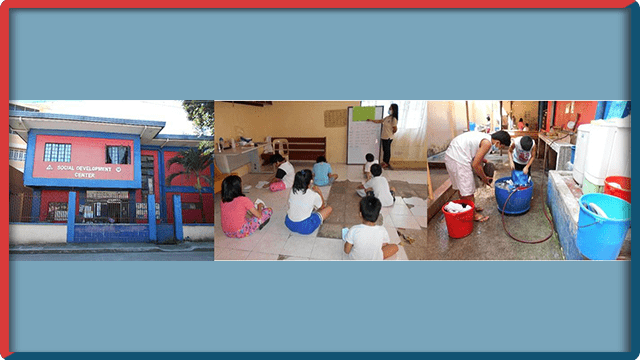
Reception and Action Center (RAC) is a temporary residential facility for indigent and disadvantaged individuals or families included in the following categories:
- Women in need of special protection such as victims of violence against women and their children, women in especially difficult circumstances (those who are not admissible at Bahay Kanlungan)
- Persons with Disability, aged 18-59 years old, who are victims of abuse or abandoned
- Displaced individuals (individuals or families who are in need of temporary shelter awaiting the Balik Probinsya Program)
Aside from the center-based management plan, the following services will be extended to clients while in the Reception and Action Center:
- Social Services
- Homelife Services
- Medical/ Dental Care Services
- Skills Training Services
- Non-formal Education Services
- Spiritual Enhancement Services
The duration of a client’s stay at the Reception and Action Center depends on the process of individual case management/intervention plans.
Requirements:
- Referral Letter from Barangay or Police Station
- Blotter report from Barangay or Police, for foundling clients
- Medical Certificate from a government hospital or Clinical Abstract (if the client was discharged from hospital prior referral)
Process:
- The Referring Party shall coordinate with the Social Services Development Department by calling 8703-2940 or by personally submitting or sending the referral letter via email.
- Wait for further instructions from the social worker for the next step of the process.
Reminder: The assigned social worker and/ or staff of the Social Services Development Department will be the one to coordinate with the Reception and Action Center regarding the referral and admission of clients to the Center. The referring party shall bring printed copies of the requirements on the day of the referral and admission of the client to the center.
BAHAY ARUGA
Bahay Aruga is a temporary residential facility for persons 60 years old and above who are indigent and abandoned by their families. Aside from the center-based case management plan, the following programs can be provided to the client during their stay at Bahay Aruga:
- Social Services
- Homelife Services
- Medical Care Services
- Health and Wellness/Physical Therapy Services
- Spiritual and Moral Enrichment Services
- Burial Services
The duration of a client’s stay at Bahay Aruga depends on the process of individual case management/intervention plans.
Requirements:
- Referral Letter from the Barangay addressed to the Head of the Social Services Development Department
- Medical Certificate on the day of referral from a government hospital or clinical abstract (if client is from or under the care of a hospital prior to his/her referral at Bahay Aruga)
- Senior Citizen ID or any Proof of Identification (if available)
Process:
Bahay Aruga is a temporary residential facility for persons 60 years old and above who are indigent and abandoned by their families. Aside from the center-based case management plan, the following programs can be provided to the client during their stay at Bahay Aruga:
- Social Services
- Homelife Services
- Medical Care Services
- Health and Wellness/Physical Therapy Services
- Spiritual and Moral Enrichment Services
- Burial Services
The duration of a client’s stay at Bahay Aruga depends on the process of individual case management/intervention plans.
Requirements:
- Referral Letter from the Barangay addressed to the Head of the Social Services Development Department
- Medical Certificate on the day of referral from a government hospital or clinical abstract (if client is from or under the care of a hospital prior to his/her referral at Bahay Aruga)
- Senior Citizen ID or any Proof of Identification (if available)
Process:
- Referring party shall coordinate with the Social Services Development Department by calling 8703-2940 or by personally submitting or sending the referral letter to the official email address of the Social Services Development Department (SSDD@quezoncity.gov.ph).
- Wait for the instruction from the Social Worker for the next step of the process.
Reminder: The assigned Social Worker or employee of the Social Services Development Department will coordinate with the office of Bahay Aruga for the referral and Admission of the client to the center. The referring party shall bring printed copies of the requirements on the day of the client’s referral.
Process:
- Referring party shall coordinate with the Social Services Development Department by calling 8703-2940 or by personally submitting or sending the referral letter to the official email address of Social Services Development Department (SSDD@quezoncity.gov.ph).
- Wait for the instruction from the Social Worker for the next step of the process.
Reminder: The assigned Social Worker or employee of the Social Services Development Department will coordinate with the office of Bahay Aruga for the referral and Admission of the client to the center. The referring party shall bring printed copies of the requirements on the day of client’s referral.
BAHAY KALINGA
Bahay Kalinga is a temporary residential facility for children-at-risk (CAR), ages 17 years old and below, which include the following:
- Children who are victims of abuse (Physical or Sexual)
- Abandoned/Neglected children
- Street Children
- Children with pending court cases who are in need of temporary shelter because their perpetrators are family members/relatives
While under the care and custody of Bahay Kalinga, client shall be accorded with center-based case management plan and the following services according to client’s needs:
- Social Services
- Homelife Services
- Medical/Dental Care Services
- Skills/Training Services
- Non-formal Education Services
- Spiritual Enhancement Services
The length of a client’s stay in Bahay Kalinga depends on the process of individual case management/intervention plans.
Requirements:
- Referral Letter from Barangay or Police Station addressed to Social Services Development Department Head
- Blotter report from Barangay or Police Station (for foundling clients)
- Medical Certificate issued by a government hospital, or Clinical Abstract (if the child was discharged from hospital prior to referral)
Process:
- The Referring Party shall coordinate with the Social Services Development Department by calling 8703-2940 or submitting the referral letter personally or through the Social Services Development Department (SSDD@quezoncity.gov.ph.). Wait for further instructions from the Social Worker regarding next steps of the process.
Reminder: The assigned social worker and/or Social Services Development Department staff will be the one to coordinate with Bahay Kalinga regarding the referral and admission of a client in the center. The referring party shall bring printed copies of the requirements on the day of the referral and admission of the client in the center.
PROTECTIVE SERVICES AND PROTECTIVE CUSTODY OF VICTIM OF ABUSE
This program provides protection and custody to children, women, elder persons, or persons with disability from all forms of abuse, neglect, abandonment, and exploitation.
Requirements:
- Letter from the Barangay, Police, School, or concerned citizen reporting a case of abuse
- Barangay Blotter or Police Blotter, if available
- Medico-legal (if available, for filing a case in court) and medical laboratory reports (if the victim-survivor will be referred to a residential facility)
- Medical certificate or medical abstract (if the victim-survivor was hospitalized and for referral to residential facility)
- 1 photocopy of valid government-issued ID (Preferably QC ID)
Process:
- The victim-survivor or witnesses of the crime/ concerned citizen may seek the help of Barangay, Police, or social worker of SSDD to report the incidence of abuse and conduct rescue operation through calling QC Helpline 122 / 8-703-2940 (case of children) / 8-703-6803 (case of PWD, elder person, and woman) or email at ssdd.quezoncity.gov.ph.
- SSDD, Police, or Barangay will assist the victim and his/her family in filing the case in court.
- If the victim-survivor has no identified family or relative who can take custody he/ she will be referred to a residential facility for proper case management.
- A social worker will assist the victim-survivor during court hearings. The victim-survivor will undergo aftercare services and monitoring once reunited with his/her family for 1 to months or depending on the length of court proceedings.
SERVICES FOR SOLO PARENTS
SOLO PARENT REGISTRATION
This program issues a Solo Parent ID to qualified applicants for them to avail of benefits from the National and Local Government.
Any of the following can be considered a Solo Parent:
- Parent left solo or alone with the responsibility of parenthood to his/her minor child (or PWD dependent) for more than a year because of the following:
- Abandonment of spouse or common-law partner
- Legal Separation from the spouse or de facto separation
- Spouse or partner is detained or serving sentence for a criminal conviction
- Any parent who has preferred to keep and raise his/her children instead of having others care for them or give them up in a welfare constitution.
- Parent left solo or alone with the responsibility of parenthood due to the death of a spouse.
- A woman who gives birth as a result of rape or crimes against chastity, even without final conviction of the offender, provided that the mother keeps and raises the child.
- Parent left solo or alone with the responsibility of parenthood due to physical and/or mental incapability of the spouse as certified by a public medical practitioner.
- Any other person who solely provides parental care and support to a child or children; provided that he/she is duly licensed as a foster parent by the Department of Social Welfare and Development (DSWD) or duly appointed Legal Guardian by the court.• Any family member who assumes the responsibility or head of the family as a result of the death, abandonment, disappearance, or prolonged absence of the parents, provided that such abandonment and disappearance, or absence lasts for at least 1 year.
Solo Parents Who Are Not Qualified to Apply for A Solo Parent ID:
- Have a cohabitating partner (regardless of sex/ gender).
- Have a partner who helps with the responsibility of parenthood to her/ his child either physically, financially, or emotionally.
- Continuously receiving child support from spouse/partner or in a co-parenting agreement.
- No minor dependent or child below 18 years of age (except 18 years and above but a person with a disability).
APPLICATION FOR A SOLO PARENT ID/CERTIFICATE
Requirements for New Applicants:
- 1 2X2-sized ID photo with a white background or may send a digital photo
- Original Copy of Solo Parent Certificate from the Barangay
- 1 photocopy of Registered Birth Certificate of children ages 17 years old and below.
- Medical Certificate/ Person with Disability ID if spouse/partner or child is a PWD.
- Any of the following:
- Photocopy of Death Certificate of spouse (if widow/er)
- Notarized Affidavit of being a Solo Parent (if de facto separated, abandoned, and legal guardian)
- Copy of Filed/Pending Petition for annulment of Marriage/ Legal Separation
- Copy of Certificate of Detention or Court Order (if spouse/partner is detained or serving sentence for 1 year or more)
- Department of Social Welfare and Development (DSWD) Foster Care license (for Foster Parent)
- Legal documentation that proves someone that she was a victim of rape or sexual abuse (For example Police Blotter/ Document from court)
Process for New Applicant:
- Register at QC E-Services using your own personal email.
- Click the QCitizen ID Application for those who don’t have a QCitizen. For those who already have a QCitizen ID, click the Apply /Renew Sectoral Status. Fill-out the form and upload all needed documentary requirements.
- Your application will be reviewed by Solo Parent approvers and/or social workers. Wait for an email from the Social Services Development Department to be sent regarding the remarks for your QCitizen Solo Parent ID application. Once reviewed, you will receive an email to schedule an appointment with a social worker for an assessment/interview.
- Set an online appointment at QC E-Services by clicking the Social Services Development Department then click and proceed to Solo Parent ID Processing.
- Visit the Solo Parent Welfare Office at the 2nd floor of the Social Services Development Department Bldg on your appointment date and time for your interview and assessment. Kindly present your appointment’s reference number.
- Once your application was approved, install the QCitizen Application in Playstore (for Android users) and App Store (for iPhone users) to access your Digital ID.
- Log in to the email address that you used on your application to access the Solo Parent Certificate. Wait for an update as to when you may get your printed QCitizen ID at City Hall or wait for it to be delivered to your registered address.
Requirements for New Renewal:
- Original Barangay Certificate for Solo Parent ID application/renewal
- Notarized Affidavit of Solo Parent (if de facto separated, abandoned, and legal guardian)
Process for Renewal:
- Return to your online application at QC E-Services and click Apply /Renew Sectoral Status to edit your details.
- Upload the needed documentary requirements and submit.
- Wait for an email from the Social Services Development Department to be sent regarding the remarks for your QCitizen Solo Parent ID application. Once reviewed, you will receive an email to schedule an appointment with a social worker for an assessment/interview.
- Set an online appointment at QC E-Services by clicking the Social Services Development Department then click and proceed to Solo Parent ID Processing.
- Visit the Solo Parent Welfare Office at the 2nd floor of the Social Services Development Department Building on your appointment date and time for your interview and assessment. Kindly present your appointment’s reference number.
- Log in to the email address that you used on your application to access the updated Solo Parent Certification.
SOLO PARENT WELFARE ASSISTANCE
EDUCATIONAL ASSISTANCE PROGRAM
This program provides financial assistance to indigent Solo Parents who have 2 or more children who are currently enrolled and studying in public school. The financial assistance amounts to PHP 5,000 for every beneficiary.
Requirements:
- Original Barangay Certificate of Indigency
- Certificate of Enrollment
- QC ID
- Copy of Solo Parent Certificate (Portable Document Format or PDF File)
Process:
- Visit the office of SSDD to process your application and for your interview and assessment with a social worker or youth worker, or you may log in at QC E-Services and set an online appointment.
- If qualified, you will receive a call, email or you will be visited by a worker from SSDD to inform you to submit all the needed documentary requirements. You will be given 1 week to accomplish it.
- Staff from SSDD will inform the beneficiary through call, text message, or email about the date/ time and venue of distribution of financial assistance.
FOOD PACKAGE AND WELFARE ASSISTANCE
This program provides food package and financial assistance for any of the following indigent Solo Parents, based on the assessment of a social worker:
- Adolescent Solo Parent (ages 18-20 years old)
- Victim of Violence against Women and Children
- Former Overseas Filipino Worker (OFW)
- Widow/er from the informal economy sector (vendors, street sweepers, etc.)
- Solo Parent with PWD spouse/partner or child/ren
- Solo Parent whose spouse/partner is imprisoned for more than one (1) year
- Solo Parent who was the victim of sexual abuse or rape
Benefits that can be availed:
- Financial Assistance
- Diaper and Milk
- Vitamins/Medicines
- Rice/Groceries
- Parent Effectiveness Sessions/Family Planning/Counselling/Life Skills Sessions
Requirements:
- Original Barangay Certificate of Indigency (for the purpose of welfare assistance)
- Solo Parent QC ID
- Copy of Solo Parent Certificate (PDF)
Process:
- Visit the Solo Parent Office at Social Services Development Department (SSDD), submit the needed documentary requirements, and undergo an interview and assessment with a social worker.
- If qualified, wait for a notification to your provided contact information (telephone/ cellphone number or email address) for an update regarding the next steps that need to be accomplished.
- After 6 months, you will again undergo an interview and assessment with a social worker for the continuation or termination of services.
SKILLS TRAINING AND LIVELIHOOD PROGRAMS
MANPOWER BARANGAY-BASED SKILLS TRAINING PROGRAM
This program provides free vocational courses for interested individuals who desire to put up their own business of livelihood. The modules are based on Technical Education and Skills Development Authority
(TESDA) categorized as Non-Training Regulation (NTR). The vocational course is 3-month community-based training (quarterly) conducted from Monday to Friday, 8:00 a.m. to 12:00 noon or 1:00 p.m. to 5:00 p.m. Under the soft trade training, a one day or half-day livelihood training is also offered.
Who can avail of the Free Skills Training?
- All out-of-school youth and unskilled adults who are interested to acquire the skills to be used for wage or self-employment
- High school graduates for those who are interested to enroll in the 3-month courses and high school level to those interested in 1-day training but know how to read and write
- Organized groups or Association from different sectors like:
- Solo Parents Association
- Person with Disabilities and families
- Daycare Parents Association
- Homeowners Association
- Children in Conflict with the law
Requirement:
- Request Letter
Process:
- Submit the Request Letter to Social Services Development Department located at Building E. Quezon City Hall Compound or log in at QC E-Services.
- The SSDD worker will coordinate with the requesting party to discuss the complete details of the training either through home visitation, response letter, or e-mail.
- Trainees must attend the classes for 3 months (240) hours to complete the course and will receive the Certificate of Completion after the training.
SMALL INCOME GENERATING ASSISTANCE (SIGA)
This program provides capital assistance of PHP 5,000 to qualified individuals who belong to indigent families who need to augment their income to sustain their everyday needs. The program aims to provide them an opportunity to engage in income-generating activities with their knowledge and skills to uplift their economic status of living.
Who will Benefit:
- Referral from other sectors and government agencies
- Individual from different sectors like:
- Unemployed Solo Parent
- Person with Disability or any member of the family that is able to handle the business
- Persons Deprived of Liberty member of the family
- Displaced workers due to pandemic
- Repatriated Overseas Filipino Worker
- Family of Children in Conflict with Law (CICL)
- Women in Especially Difficult Circumstances (WEDC)
Qualification Requirements:
- Resident of Quezon City
- Age 18 to 59 years old
- Has capacity and capability to manage with a total combined family income of not more than PHP 12,000 for a family of five (5), based in the PSA 2021 poverty threshold
- With existing small business or had a business and is willing to re-open
- Never received any assistance from other livelihood programs of the City such as QC Pangkabuhayan, Tindahan ni Ate Joy, DOLE Livelihood Program, and National Agencies such as but not limited to DSWD LAG Program
Requirements:
- Request letter for capital assistance program
- Barangay Certificate of Indigency
- Project proposal (SSDD format)
- QC ID or valid government-issued ID
Process:
- Submit a request letter to the office of the Social Services Development Department on the 4th Floor Building E, Quezon City Hall, or log in at QC E-Services for an online appointment.
- The client will be contacted for assessment; if qualified she will be advised to attend a one day Basic Business Management Training.
- Submit all the requirements needed to process your request.
- Wait for the advice of your worker on the schedule of release of assistance.
SIKAP AT GALING PANGKABUHAYAN (SIGAP) PROGRAM
This program provides capital assistance to the graduates of 3-month Vocational Courses with the aim of using their acquired skills in starting up a business. The group will be composed of 5 to 10 members with an interest to manage their business. The group will receive an amount depending on the capital requirements of the business, but not more than PHP 50,000 for the group of 5.
Qualifications:
- A member must be a resident of Quezon City
- Must be 18 to 59 years old
- Must have a total combined family income of not more than PHP 12,000 for a family of 5, as based on the PSA 2021 poverty threshold
- Never received any assistance from other livelihood programs of the City such as QC Pangkabuhayan, Tindahan ni Ate Joy, and DOLE Livelihood Program and National Agencies such as but not limited to DSWD LAG Program
- With no existing loan from any other microfinance institution as certified by the barangay
- The members of the group are living in a clustered area
- Members must be graduate of vocational courses under the Manpower Barangay-Based Skills Training Program of the Vocational Development Division and have an existing business using their acquired skills
Requirements:
- Barangay Certificate of Indigency
- Individual Barangay Certification of good credit standing from any lending institution as vouched by the barangay
- QC ID
- Medical Clearance from Barangay Health Emergency Response Team (BHERT) or City Health Center to prove their physical and mental ability
- Group photo
- Request letter
- Project proposal (SSDD format)
Process:
- Submit a letter request to the office of the Social Services Development Department 4th Floor Bldg E, Quezon City Hall, or log in at QC E-Services for an online appointment.
- The client will be contacted for assessment. If qualified, the group will be organized and will start their weekly meeting and undergo the 5-week social preparation and capability training to be conducted by the assigned worker.
- The group will complete the necessary documents and submit to the assigned worker for process. The group will be advised as to the release of the assistance.
EARLY CHILDHOOD CARE AND DEVELOPMENT (ECCD)/DAY CARE PROGRAM
This program provides early education and other early childhood services to children ages 3 to 4 years old in Quezon City, to prepare them for formal education.
Requirement:
- 1 original and 1 photocopy of the Certificate of Live Birth of the child
Process:
- Parents or guardians of the child can coordinate to the Day Care Worker of SSDD assigned in the Barangay or directly seek the assistance of the Barangay to refer the child to SSDD thru a call at 8703-2940 or email at cod.ssdd@quezoncity.gov.ph.
- Parents or guardians of the child will undergo an interview and shall present the original Certificate of Live Birth of the child within a week.
- If qualified, submit the photocopy of the Certificate of Live Birth of the child to the assigned Day Care Worker in your Barangay.
- Daycare children will attend daycare sessions and other ECCD activities.
- Daycare children will receive school supplies, bags, and uniforms. There is also regular supplemental feeding, medical, and dental check-up to the daycare children.
- Parents or guardians will attend Parent Effectiveness Sessions (PES) and other life-skills training.
Reminders:
- This time of pandemic, daycare children are attending home-based ECCD through the distribution of modules to parents or guardians and distribution of food packs for supplemental feeding.
- A 3-year-old child can enroll for 2 consecutive school year in ECCD program but a 4-year-old child can enroll to ECCD for only 1 school year.
EDUCATIONAL ASSISTANCE FOR INDIGENT CHILDREN AND YOUTH
This program provides additional financial assistance in the amount of PHP 3,000 per beneficiary for the educational needs of indigent children and youth. The qualified beneficiaries are at least in Grade 4 to Grade 10, enrolled in public school or Alternative Learning System (ALS), from a family with 4 or more children, not 4Ps beneficiary, and residing in Quezon City.
Requirements:
- Original Barangay Certificate of Indigency
- Original Certificate of Enrollment from the school
- 1 photocopy of the recent school ID
- 1 photocopy of valid government-issued ID (Preferably QC ID)
Process:
- Go to SSDD to apply and undergo an interview and assessment or log in at QC E-Services.
- If qualified, the applicant will receive notification via call, email or personal visit of the SSDD staff who instruct them to submit the needed requirements within a week.
- SSDD will inform the beneficiaries thru call, text message, or email of the schedule and venue of the distribution of educational assistance.
PRE-MARRIAGE ORIENTATION AND COUNSELLING (PMOC)
This program provides orientation and counseling to would-be-married couples to prepare them for married life and to gain awareness about their duties and responsibilities as husband and wife and future parents. The qualified attendees to PMOC are those would-be-married couples ages 18-25 years old as required under Executive Order No. 209 or the Family Code of the Philippines of 1987.
Requirements:
- Original copy of Marriage License Application
- Original copy of valid government-issued IDs (Preferably QC IDs) of the couple
Process:
- Call or email SSDD to get your PMOC schedule or log in at gceservices@guezoncity.gov.ph for online appointment. For those inquiries via email, SSDD will notify the concerned party via email or call of the schedule of PMOC.
- Attend PMOC on the scheduled time and date given to you.
- Receive the original copy of the Certificate of Attendance after the PMOC.
- Submit the Certificate of Attendance to Quezon City Civil Registry Department for the processing of the Marriage License.
Reminders:
- Due to the COVID-19 pandemic, only 7 would-be-married couples are allowed to attend PMOC, held every Monday and Wednesday, at 1:00 PM at SSDD Conference Room, 3rd Floor.
- Both would-be-husband and would-be-wife are required to attend PMOC.
- Bring individual ballpens.
HOW TO GET MEDICAL ASSISTANCE (NON-COVID)
For individuals who are confined in hospital and who are in crisis situation through the purchase of prescribed medicines not readily available at the Quezon City Pharmacy of QC Health Department.
Requirements:
- Original and updated, and/or Certified True Photocopy of Clinical Abstract/ Medical certificate with date of issuance, full name, signature, and license number of attending physician (issued not later than 3 months)
- Original and updated doctor’s prescription with the date of issuance and name of patient (signed by the attending physician with license number indicated)
- Original and updated, and/or Certified True Photocopy of Barangay Certification of Indigency certified by the Punong Barangay; and/ or For and by the Authority of any elected barangay officials
- Photocopy of any valid Government-issued ID of the patient and person to be interviewed.
Process:
Present all requirements to the officer on duty at the Social Services Development Department at the Quezon City Hall compound.
HOW TO APPLY FOR SOLO PARENT ID
Eligible applicants can obtain a Solo Parent Certificate to access benefits and privileges provided by the Quezon City Government.
1. REQUIREMENTS FOR THE SOLO PARENT WITH CHILD OR CHILDREN AS A CONSEQUENCE OF RAPE:
- Birth certificate/s of the child or children
- Complaint affidavit
- Medical record on the incident of rape
- Sworn affidavit declaring that the solo parent has the sole parental care and support of the child or children at the time of the execution of affidavit
- Affidavit of a barangay official attesting that the solo parent is a resident of the barangay and the child or children is/are under the parental care and support of the solo parent
- Solo Parents Orientation Seminar Certificate of Attendance
2. REQUIREMENTS FOR THE SOLO PARENT ON ACCOUNT OF THE DEATH OF THE SPOUSE:
- Birth certificate/s of the child or children
- Marriage certificate
- Death certificate of the spouse;
- Sworn affidavit declaring that the solo parent is not cohabiting with a partner or co-parent, and has the sole parental care and support of the child or children
- Affidavit of a barangay official attesting that the solo parent is a resident of the barangay and that the child or children is/are under the parental care and support of the solo parent.
- Solo Parents Orientation Seminar Certificate of Attendance
3. REQUIREMENTS FOR THE SOLO PARENT ON ACCOUNT OF THE DETENTION OR CRIMINAL CONVICTION OF THE SPOUSE:
- Birth certificate/s of the child or children
- Marriage certificate
- Certificate of detention or a certification that the spouse is serving sentence for at least three (3) months issued by the law-enforcement agency having actual custody of the detained spouse or commitment order by the court pursuant in a conviction of the
- Sworn affidavit declaring that the solo parent is not cohabiting with a partner or co-parent, and has the sole parental care and support of the child or children
- Affidavit of a barangay official attesting that the solo parent is a resident of the barangay and that the child or children is/are under the parental care and support of the solo parent.
- Solo Parents Orientation Seminar Certificate of Attendance
4. REQUIREMENTS FOR SOLO PARENT ON ACCOUNT OF PHYSICAL OR MENTAL INCAPACITY OF THE SPOUSE:
- Birth certificate/a of the child or children
- Marriage certificate or affidavit of cohabitation
- Medical records, medical abstract, or a certificate of confinement in the National Center for Mental Health or any medical hospital or facility as a result of the spouse’s physical or mental incapacity, which record, medical abstract or certificate of confinement of the incapacitated spouse should have been issued not more than three (3) months before the submission, or a valid Person with Disability ID
- Sworn affidavit that the solo parent is not cohabiting with a partner or co-parent and has sole parental care and support of the child or children
- Affidavit of a barangay official attesting that the solo parent is a resident of the barangay and that the child or children is/ate under the parental care and support of the solo parent.
- Solo Parents Orientation Seminar Certificate of Attendance
5. REQUIREMENTS FOR THE SOLO PARENT ON ACCOUNT OF LEGAL OR DE FACTO SEPARATION OF SPOUSE:
- Birth certificate/s of the child or children
- Marriage certificate
- Judicial decree of legal separation of the spouses or, in the case of de facto separation, an affidavit of two (2) disinterested persons attesting to the fact of separation of the spouses
- Sworn affidavit declaring that the solo parent is not cohabiting with a partner or co- parent, and has sole parental care and support of the child or children
- Affidavit of a barangay official attesting that the solo parent is a resident of de barangay and that the child or children is/are under the parental care and support of the solo parent
- Solo Parents Orientation Seminar Certificate of Attendance
6. REQUIREMENTS FOR DECLARATION OF NULLITY OR ANNULMENT OF MARRIAGE:
- Birth certificate/s of the child or children
- Sworn Affidavit declaring that the solo parent is not cohabiting with partner or co-parent; who has parental care and support of the child and children
- Affidavit of a barangay official attesting that the solo parent is a resident of the barangay and the child or children is/are under parental care and support of the solo parent
- Marriage Certificate annotated with the fact of nullity of marriage
- Judicial decree or nullity or annulment of marriage or judicial declaration of divorce
- Solo Parent Orientation Seminar Certificate of Attendance
7. REQUIREMENTS FOR THE SOLO PARENT ON ACCOUNT OF ABANDONMENT BY THE SPOUSE:
- Birth certificates of the child or children
- Marriage certificates
- Affidavit of two (2) disinterested persons attesting to the fact of abandonment of the spouse
- Police or barangay record of the fact of abandonment
- Sworn affidavit declaring that the solo parent is not cohabiting with a partner or co- parent, and has sole parental care and support of the child or children
- Affidavit of a barangay official attesting that the solo parent is a resident of the barangay and that the child or children in/are under the parental care and support of the solo parent
- Solo Parents Orientation Seminar Certificate of Attendance
8. REQUIREMENTS FOR THE SPOUSE OR ANY FAMILY MEMBERS OF AN OFW:
- Birth certificate/s of dependents
- Marriage certificate, if the applicant is the spouse of the OFW, or birth certificate or the other competent proof of the relationship between the applicant and the OFW, if the applicant is a family member of the OFW
- Philippine Overseas Employment Administration Standard Employment Contract (POEA-SEC) or its equivalent document
- Photocopy of the OFW’s passport with stamps showing continuous twelve (12) months of overseas work, or a certification from the Bureau of Immigration
- Proof of income of the OFW’s spouse or family member
- Sworn affidavit declaring that the solo parent is not cohabiting with a partner or co-parent and has sole parental care and support of the child or children.
- Affidavit of a barangay official attesting that the solo parent is a resident of the barangay and that the child or children is/are under the parental care and support of the solo parent.
- Solo Parents Orientation Seminar Certificate of Attendance
9. REQUIREMENTS FOR THE UNMARRIED FATHER OR MOTHER WHO KEEPS THE REARS OF THE CHILD OR THE CHILDREN:
- Birth certificates of the child or children
- Certificate of No Marriage (CENOMAR)
- Sworn affidavit declaring that the solo parent is not cohabiting with a partner or co-parent and has sole parental care and support of the child or children
- Affidavit of a barangay official attesting that the solo parent is a resident of the barangay and that the child or children is/are under the parental care and support of the solo parent
- Solo Parents Orientation Seminar Certificate of Attendance
10. REQUIREMENTS FOR THE SOLO PARENT WHO IS A LEGAL GUARDIAN, ADAPTIVE OR FOSTER PARENT:
- Birth certificate/s of the child or children
- Proof of guardianship, such as the decision granting legal guardianship issued by a court proof of adoption, such as the decree of adoption issued by a court, or under of Adoption issued by the DSWD or the National Authority on Child Care (NACC) proof of foster care such as the Foster Parent License issued by the DSWD or the NACC
- Sworn affidavit declaring that the solo parent is not cohabiting with a partner or co-parent and has sole parental care and support of the child or children
- Affidavit of a barangay official attesting that the sole parent is a resident of the barangay and that the child or children is/are under the parental care and support of the solo parent
- Solo Parents Orientation Seminar Certificate of Attendance
11. REQUIREMENTS FOR ANY RELATIVE WITHIN FOURTH (4TH) CIVIL DEGREE OF CONSANGUINITY OR AFFINITY OF THE PARENT OR LEGAL GUARDIAN WHO ASSUMES PARENTAL CARE AND SUPPORT OF THE CHILD OR CHILDREN:
- Birth certificate/s of the child or children
- Death certificate, certificate of incapacity, or judicial declaration of absence or presumptive death of the parents or legal guardian; police or barangay records evidencing the fact of disappearance or absence of the parent or legal guardian for at least six (6) months
- Proof of relationship of the relative to the parent or legal guardian, such as birth certificate, marriage certificate, family records, or other similar or analogous proof of relationship
- Sworn affidavit declaring that the solo parent has sole parental care and support of the child or children
- Affidavit of a barangay official attesting that the solo parent is a resident of the barangay and that the child or children is/are under the parental care and support of the solo parent
- Solo Parents Orientation Seminar Certificate of Attendance
12. REQUIREMENTS FOR THE SOLO PARENT WHO IS A PREGNANT WOMAN:
- Medical record of her pregnancy.
- Affidavit of a barangay official attesting that the solo parent is a resident of the barangay
- Sworn affidavit declaring that the solo parent is not cohabiting with a partner or co- parent who is providing support to the pregnant woman.
- Solo Parents Orientation Seminar Certificate of Attendance
For solo parents seeking subsidies and discounts, you may submit any of the following documents:
- Affidavit of no employment
- Income Tax Return (ITR) or similar tax returns
- Social case study issued by the C/MSWDO
- Any verifiable proof of income or Certificate of Indigency
Online Application:
- Register at QC E-Services using an existing and valid email address.
- For those who don’t have a QCitizen ID yet, click the ‘QCitizen ID Application’. For those who already have a QCitizen ID, click ‘Apply/Renew Sectoral Status.’
- Fill out the form and upload all necessary documentary requirements.
- The application will be reviewed by Solo Parent approvers and/or social workers. Wait for an email from the Social Services Development Department with remarks regarding the QCitizen Solo Parent ID application.
- Once reviewed, an email will be sent to schedule an appointment with a social worker for an assessment or interview.
- Set an online appointment at QC E-Services by clicking the Social Services Development Department, then proceed to Solo Parent ID Processing.
- Visit the Solo Parent Welfare Office on the 2nd floor of the Social Services Development Department Building on the appointment date and time for the interview and assessment.
- Present the appointment’s reference number.
- Wait for an update on when the printed QCitizen ID can be picked up at City Hall or delivered to the registered address.
Online Renewal:
- Return to the online application at QC E-Services and click ‘Apply/Renew Sectoral Status’ to edit details.
- Upload the necessary documentary requirements and submit.Wait for an email from the Social Services Development Department regarding remarks for the QCitizen Solo Parent ID application.
- Once reviewed, an email will be sent to schedule an appointment with a social worker for an assessment/interview.
- Set an online appointment at QC E-Services by clicking the Social Services Development Department, then proceed to Solo Parent ID Processing.
- Visit the Solo Parent Welfare Office on the 2nd floor of the Social Services Development Department Building on the appointment date and time for the interview and assessment.
- Present the appointment’s reference number.
- Log in with the email address used in the application to access the updated Solo Parent Certification.
HOW TO REQUEST FOR TRANSPORTATION ASSISTANCE (BALIK-PROBINSYA)
Provision of transportation assistance to displaced, indigent individuals or families in crisis situation.
Requirements:
- Barangay Certificate of Residency or Indigency
- Travel Clearance
- Health Certificate
- Any gov’t issued valid I.D.
Process:
- Client submits documentary requirements.
- Social worker conducts interview & assessment including home visitation, if necessary, prepares necessary reports and referrals including coordination with other welfare agencies (receiving Local Government Unit (LGU) and Department of Social Welfare and Development).
- SSDD facilitate client’s departure thru purchase of tickets and distribution of petty cash, food pack, Referral Letter and livelihood package for family then escort client to bus terminal/sea & air port ) case to case basis.
HOW TO REQUEST FOR BURIAL ASSITANCE
The Quezon City’s Burial Assistance Program provides free funeral and burial services with the help of accredited partner funeral parlors for indigent residents of the city based on Ordinance No. SP 2865, S-2019.
FUNERAL PACKAGE INCLUSIONS:
- Retrieval of human remains from place of death (Quezon City)
- Embalming and funeral arrangement at viewing place for 7 days (residence/community mortuary)
- Use of white casket (OMS)
- 1 Standing Flower Arrangement
- Tarpaulin
- Provision of hearse for interment
- Registration of death certificate
- Securing of burial/cremation permit
- Interment arrangement at city-owned cemetery/cremation at city-owned crematory
CRITERIA AND QUALIFICATION FOR QUALIFIED BENEFICIARY:
- Deceased must be a resident of Quezon City
- Household income of the family
- Informant (nearest kin of deceased, resident of Quezon City)
- Cost of expenses charged for funeral services
- Modifiers arising in different circumstances such as but not limited to the following:
- Person in crisis situation (Victim of Disaster, Repatriated Migrant Worker, Orphaned, Senior Citizen, Persons With Disability, Widowed, Solo-parent, Street Dweller with no source of income or any financial support)
- Abandoned/No known relatives in QC/Guardian
- Medico-legal cases
- Faith-based/Cultural Traditions
DOCUMENTARY REQUIREMENTS (NOTE IF FEES ARE REQUIRED):
- Referral form
- Certified True Copy of Death Certificate
- Notarized Funeral Contract for partner accredited funeral service provider
- Certificate of Indigency from the barangay specific for funeral burial assistance
- Photocopy of Valid ID, preferably QC ID of the Deceased and the Informant
STEPS MANUAL/ONSITE:
STEPS FOR ‘WITHOUT FUNERAL’:
- Bereaved families with no funeral shall directly contact SSDD at 8988-4242 loc. 8527 or call Hotline 122 and provide the following:
- Name of Deceased
- Address
- Place of Death/Place of Pick-Up
- Date and Time of Death
- Cause of Death
- Contact Person
- Contact Number
- SSDD will contact the family/informant of the deceased for initial assessment, assign and coordinate with the partner funeral parlor in the respective district or place of pick up of the human remains.
- Assigning of funeral partners shall be done in a sequence of funerals in each district.
- SSDD will notify the informant to comply with the requirements and provide the interview schedule at the SSDD Office.
- The informant will undergo the interview and assessment.
STEPS FOR ‘WITH FUNERAL’ (Referral/Walk-in):
- With the referral from barangay, funeral parlor, or hospital, SSDD will conduct an intake interview and evaluation, requiring the following documents:
- Referral form (if any)
- Certified True Copy of Death Certificate
- Notarized Funeral Contract
- Certificate of Indigency from the barangay
- Photocopy of Valid ID of the Deceased and the Informant
- The assigned social worker will conduct an interview and evaluation of the required documents and a report on findings will be prepared based on the evaluation.
- The Certificate of Guarantee will be issued upon completion of the assessment and evaluation process.
ISSUANCE OF SOCIAL CASE STUDY REPORT (REFERRALS)
SSDD will issue a Social Case Study Report based on the following criteria:
- The funeral parlor is not a partner of the Quezon City Government
- The deceased is a non-QC resident but the informant is a resident of Quezon City
- Client request for the referral
COVERAGE AND BENEFITS:
- Full Payment of 100% (PHP 25,000)
- Total household income of less than PHP 20,000 with more than 5 dependents
- The deceased will be buried or cremated at the City-Owned public cemetery and crematory (Bagbag Cemetery; Novaliches Public Cemetery and Baesa Crematory).
- The family only availed the SSDD funeral service package (No upgrade of funeral service)
- In circumstances where modifiers arises
*The family shall not pay the funeral service cost
- Partial payment of 75% (PHP 18,750)
- Total household income of PHP 20,000 to PHP 30,000 with 1 to 5 dependents
- The deceased will be buried or cremated in a private cemetery or crematory within Quezon City
- The family extended the wake by 5 days
- Upgraded ordinary casket to metal casket and other funeral expenses not to exceed PHP 10,000
*The family shall share the exceeding amount of the funeral services rendered
- Partial payment of 50% (PHP 12,500)
- Total household income of more than PHP 30,000 with 1 to 2 dependents
- Upgraded ordinary casket to metal casket and other funeral expenses more than PHP 15,000
- The deceased will be cremated or buried outside Quezon City
- The family availed funeral chapel
- The family extended the wake more than 7 days
*The family shall share the exceeding amount of funeral services rendered
HOW TO AVAIL OF THE EMERGENCY DISASTER RELIEF
Process:
- Report incidents of fire or flood to QC Helpline 122, the Social Services Development Department (SSDD) at 8703-6823, or to your respective barangays.
- At the designated evacuation area, go to the SSDD area to undergo registration with the help of your barangay officials.
- For individuals or families affected by the following:
- FIRE
- Affected families will be given a temporary shelter at the evacuation center wherein they will be provided hot meals (three times a day for seven days) and not more than one month, depending on the number of families affected. Affected families will also receive bags of welfare goods, starter kits, hygiene kits, and financial assistance, for the house owner PHP 10,000 and PHP 5,000 for sharer or renter-families.
- FLOOD
- Affected families will be provided with hot meals three times a day while inside the evacuation center.
- RELOCATION
- Affected families of voluntary demolition will be provided with bags of welfare goods while they are in the process of relocation.
- FIRE
Reminder: Temporary shelter or setting up of evacuation center for affected families will be based on the assessment of the social worker.
DEPARTMENT DIRECTORY
Ms. Carolina O. Patalinghog, RSW, MPA
City Government Department Head III
8988-4242 Local 8863
SSDD@quezoncity.gov.ph
Divisions/Sections
| DIVISION | OFFICER NAME | OFFICE ADDRESS | CONTACT INFORMATION |
|---|---|---|---|
| Administrative Division | Ms. Helen G. Frilles Officer-in-Charge | 4th Floor, SSDD Civic Center E, Quezon City Hall Compound | 8710-1294 admin.SSDD@quezoncity.gov.ph |
| Public Assistance Division | Ms. Amabel L. Fariñas Chief Administrative Officer | 3rd Floor SSDD Civic Center E, Quezon City Hall Compound | 8988-4242 local 8527 pad.ssdd@quezoncity.gov.ph |
| Community Outreach Division | Ms. Maria B. Volante, RSW Social Welfare Officer IV Acting Division Head | 3rd Floor SSDD Civic Center E, Quezon City Hall Compound | 8359-8405 cod.ssdd@quezoncity.gov.ph |
| Special Project Division | Ms. Ma. Lorelei M. Salvador, RSW Social Welfare Officer V | 2nd Floor SSDD Civic Center E, Quezon City Hall Compound | 8703-3576 vdd.SSDD@quezoncity.gov.ph |
Residential and Rehabilitation Division | Ms. Irene J. Miranda, RSW Social Welfare Officer IV Officer-in-Charge | 2nd Floor SSDD Civic Center E, Quezon City Hall Residential Facilities Molave Youth Home BAHAY PAG-ASA Building, Forestry Street, Diamond Hills Subd. Molave St. Extension Brgy. Payatas B, Quezon City Reception and Action Center BAHAY PAG-ASA Building, Forestry Street, Diamond Hills Subd. Molave St. Extension Brgy. Payatas B, Quezon City Bahay Aruga YWCA Building, Don Victorino St. Don Antonio Heights, Brgy. Holy Spirit, Quezon City Bahay Kalinga Community Development Center – No. 48 Angelo St., Brgy N.S Amoranto, Quezon City Processing Center Calalay Training Center – 50-C Malaya St. Corner Angelo St. Brgy. NS Amoranto, Quezon City | rrd.ssdd@quezoncity.gov.ph 7004-0571 molaveyouthhome1.ssdd@quezoncity.gov.ph molaveyouthhome2.ssdd@quezoncity.gov.ph 7006-6418 / 8703-9006 receptionandactioncenter-rrd.ssdd@quezoncity.gov.ph 7005-6103 bahayaruga-rrd.ssdd@quezoncity.gov.ph 7004-5548 bahaykalinga-rrd.ssdd@quezoncity.gov.ph 8400-0169 processingcenter-rrd.ssdd@quezoncity.gov.ph |
| Vocational Development Division | Ms. Maria Anna P. Tungpalan Senior Labor and Employment Officer Officer-in-Charge | 4th Floor SSDD Civic Center E, Quezon City Hall Compound | 8703-3576 vdd.ssdd@quezoncity.gov.ph |
| Welfare and Relief Division | Ms. Janet G. Duque, RSW Social Welfare Officer IV Acting Division Head | 1st Floor SSDD Civic Center E, Quezon City Hall Compound | 8988-4242 local 8035 wrd.ssdd@quezoncity.gov.ph |
| Research Development and Planning | Ms. Marisol N. Casabuena, RSW Social Welfare Officer V | 5th Floor SSDD Civic Center E, Quezon City Hall Compound | rdp.ssdd@quezoncity.gov.ph marisol.casabuena@quezoncity.gov.ph |
SPOTLIGHT
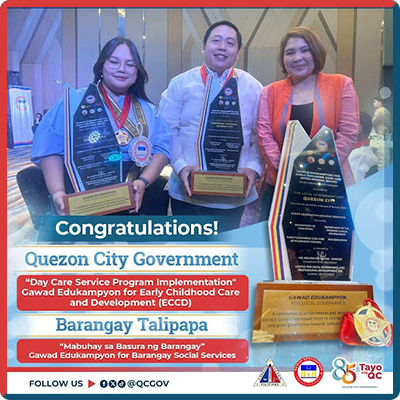
“Day Care Service Program Implementation”
Gawad Edukampyon for Early Childhood Care and Development (ECCD)
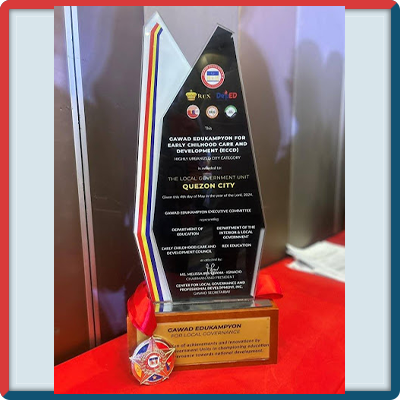
AWARDS & RECOGNITIONS
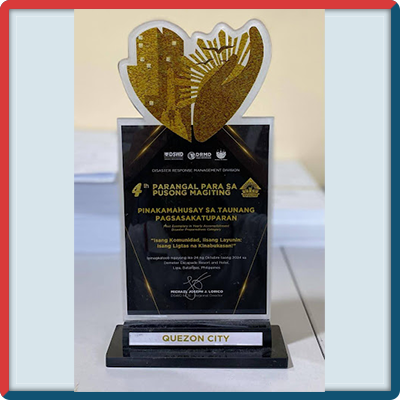
Quezon City Government on 4th Parangal Para sa Pusong Magiting with the theme
“Isang Komunidad, Iisang Layunin: Isang Ligtas na Kinabukasan”
First Place in Most Exemplary in Yearly Accomplishment Disaster Preparedness Category
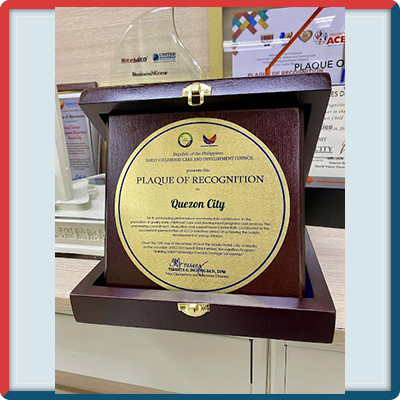
Plaque and Certificate of Recognition
“Day Care Service Program Implementation”
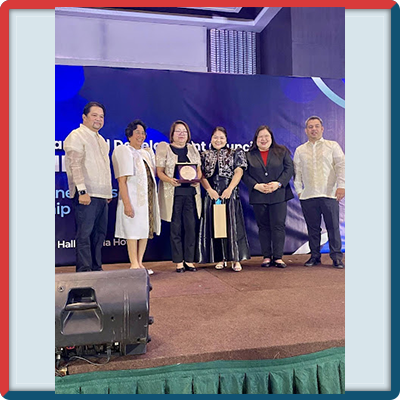
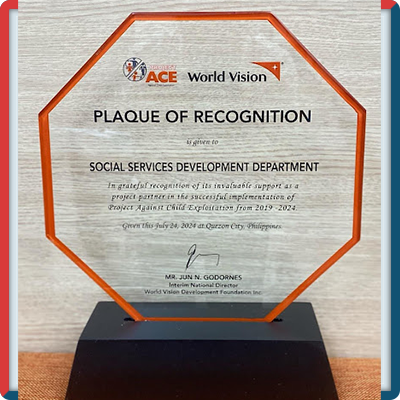
Implementation of Project Against Child Exploitation (Project ACE) from 2019-2024
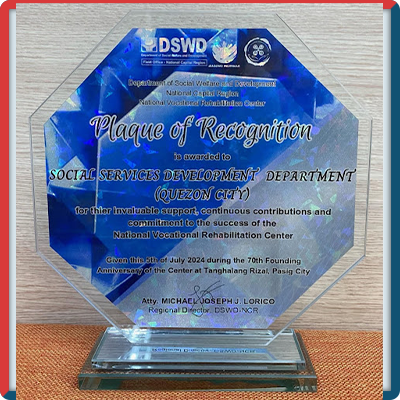
“National Vocational Rehabilitation Center”
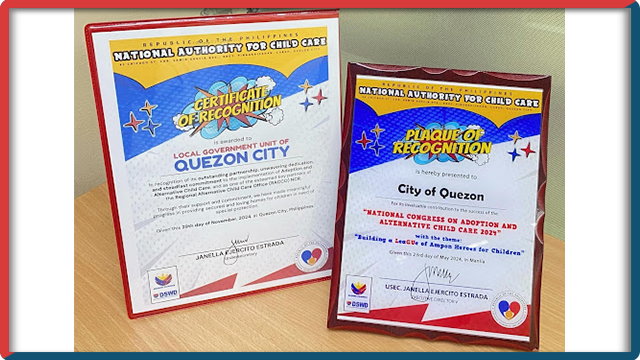
“National Congress on Adoption and Alternative Child Care 2024” with the theme “Building a League of Ampon Heroes for Children”
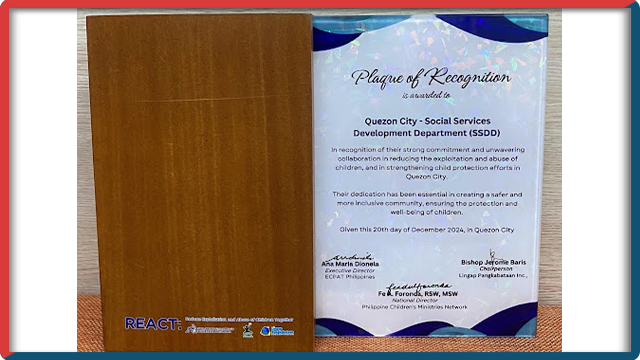
“Reducing the exploitation and abuse of children, and in strengthening child protection efforts in Quezon City”
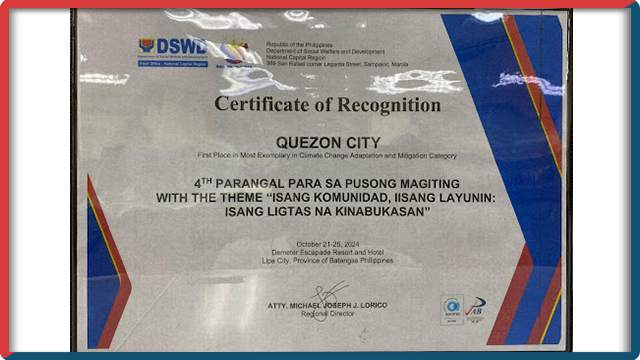
Quezon City Government on 4th Parangal Para sa Pusong Magiting with the theme
“Isang Komunidad, Iisang Layunin: Isang Ligtas na Kinabukasan”
First Place in Most Exemplary in Climate Change Adaptation and Mitigation Category
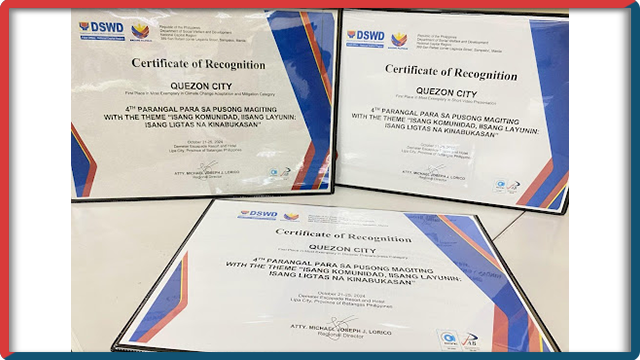
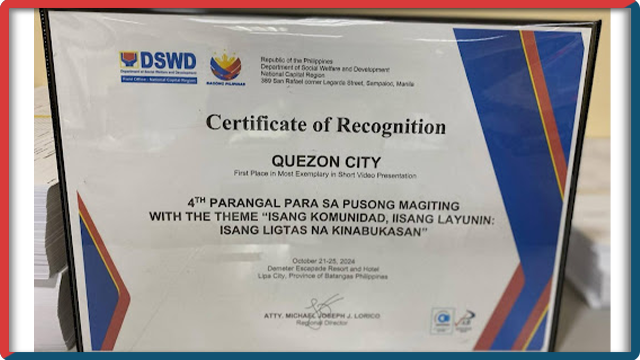
Quezon City Government on 4th Parangal Para sa Pusong Magiting with the theme
“Isang Komunidad, Iisang Layunin: Isang Ligtas na Kinabukasan”
First Place in Most Exemplary in Short Video Presentation
Implementation of Social Pension Program for Indigent Senior Citizen
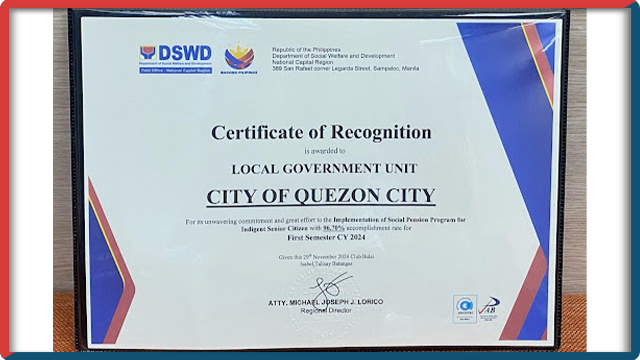
Plaque and Certificate of Appreciation
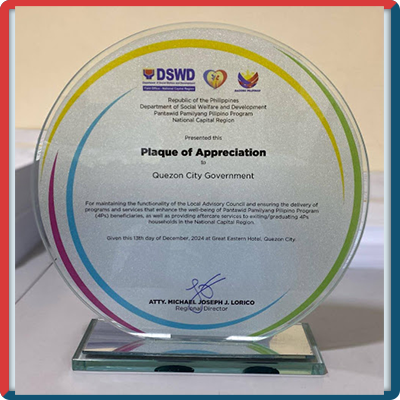
Quezon City Government
Implementation of Pantawid Pamilyang Pilipino Program (4Ps)
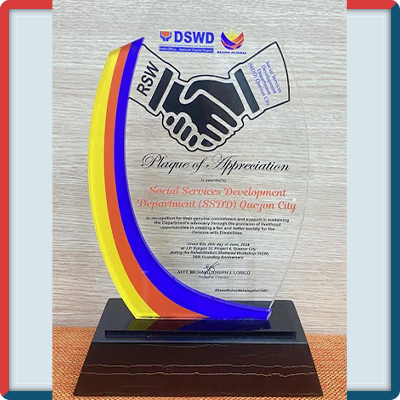
“Provision of livelihood opportunities in creating a fair and better society for the
Persons with Disabilities”
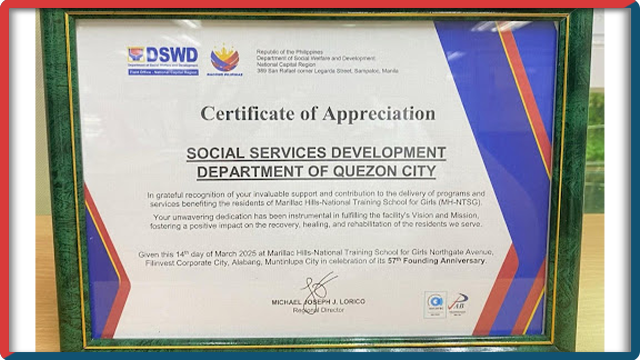
“Contribution to the delivery of programs and services benefiting the residents of Marilac Hills-National Training School for Girls (MH-NTSG)”
Resources
SSDD Citizen's Charter 2025
SSDD Citizen's Charter 2023
SSDD Citizen's Charter 2022
SSDD Citizen's Charter 2021